Why Personalised Kitchen Design Matters More Than You Think
A Kitchen That Fits Your Life, Not Just a Catalogue
For years, the kitchen was the room you cooked in and left. Now it is the room you live in. You eat there, work there, talk there, and sometimes argue there. A standard off-the-shelf layout might look fine in a showroom photograph, but it rarely works for the way real people move through their day. That is where personalised kitchen design comes in. It is not about making something that looks expensive. It is about making something that feels right.
I have spent enough time in Glasgow kitchens to know that no two households are the same. A family with three children under ten has different needs from a couple who entertain twice a month. A chef who works from home needs a different layout from someone who mostly reheats takeaway. A good kitchen design respects those differences. It does not try to fit you into a template. It builds the template around you.
What Personalised Kitchen Design Actually Means
People often confuse customisation with personalisation. Customisation means picking a different colour or swapping one handle for another. Personalisation goes deeper. It changes the way the kitchen works. A personalised kitchen design considers how you use every inch of space. Where do you put the coffee machine? How many steps do you take between the sink and the hob? Do you need a breakfast bar or a formal dining table? These questions sound small, but they shape the entire layout.
In practice, this means starting with a blank sheet. No assumptions about where the island should go or what size the pantry should be. The designer listens first. Then they measure, sketch, and model. With modern 3D modeling tools, you can see your kitchen before a single cabinet arrives. That is a huge advantage. You can spot problems early. You can move a socket six inches to the left before the walls are plastered. You can decide that the soft-close drawers should be under the island, not next to the oven. These choices add up.
The Material Conversation
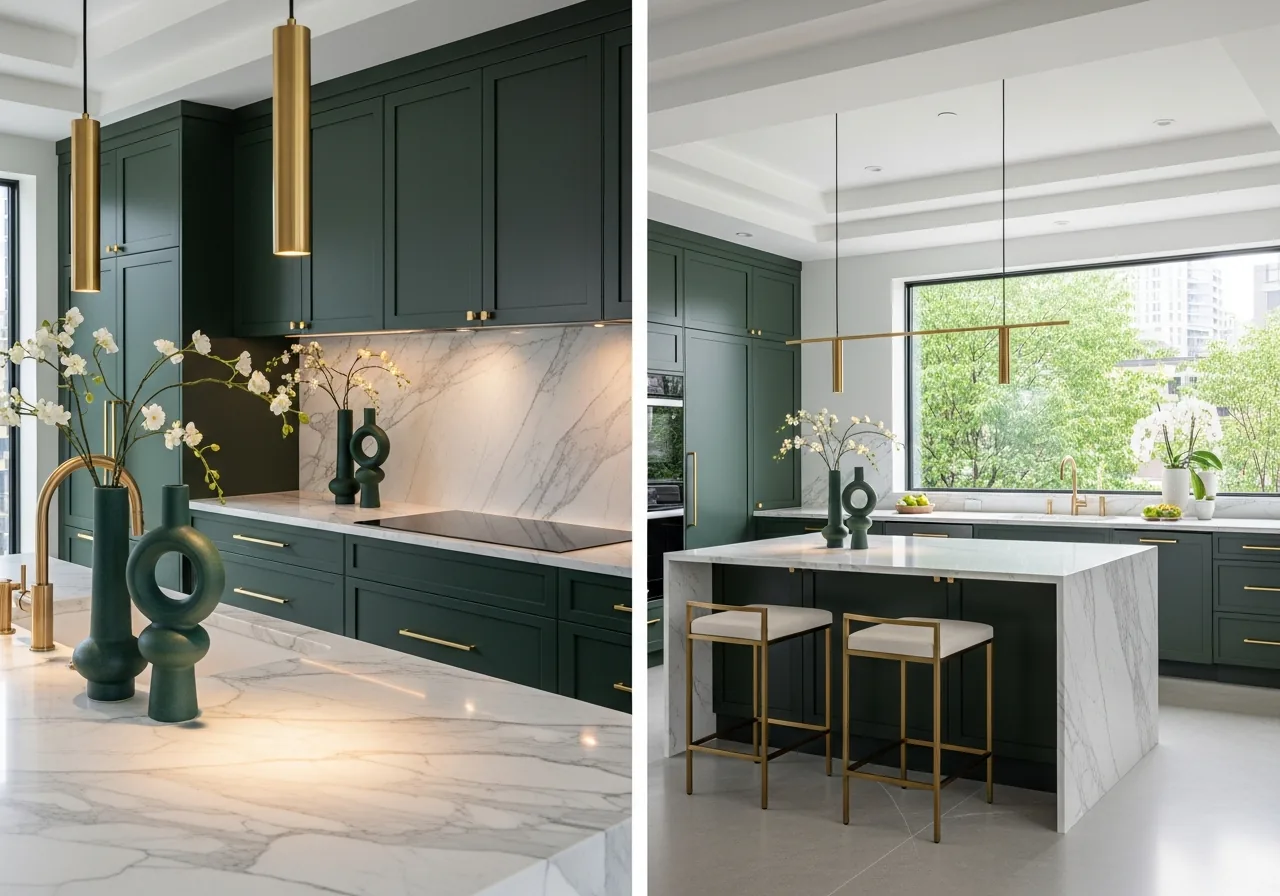
Materials are where personalised kitchen design really shows its value. A luxury kitchen does not have to be marble and gold. It can be warm timber paired with a honed quartz worktop. It can be a herringbone worktop in walnut that catches the light differently every hour. It can be stainless steel for the serious cook who wants durability and easy cleaning. The point is that the material choice reflects how you live.
Marble is beautiful but porous. If you spill red wine on it and do not wipe it up fast, you get a stain. Quartz is more forgiving. Timber adds warmth but needs oiling. Stainless steel is industrial and honest but can show every fingerprint. A good designer will talk you through these trade-offs. They will not push the most expensive option. They will push the right option for your habits.
In Glasgow, where the weather can be damp and grey, I have seen people gravitate toward warmer materials. Oak cabinets, limestone floors, brass handles. They want the kitchen to feel like a refuge. That is an emotional need as much as a practical one. A personalised kitchen design can address both.
British and German Kitchens: Two Approaches
There is a reason many high-end showrooms carry both British kitchens and German kitchens. They are different philosophies. British cabinetry tends to be more traditional in its proportions and detailing. It often uses solid timber and hand-finished paint. German kitchens lean toward precision engineering. They excel in clever storage, integrated appliances, and minimalist lines.
Neither is better. It depends on what you value. If you want a bespoke kitchen that feels like furniture, British might be your choice. If you want maximum function in a compact space, German might win. A good showroom will let you compare both side by side. You can open the drawers, feel the weight of the doors, and see how the hinges work. That tactile experience matters.
Appliances and the Hidden Details
People often fixate on the cabinets and worktops, but the appliances are where you spend your daily time. Brands like Thermador, Neff, and Siemens offer very different experiences. Thermador is built for power and performance. Neff is known for its slide-and-hide doors and clever ovens. Siemens focuses on connectivity and precision. None of them is a bad choice. The question is which one fits your cooking style.
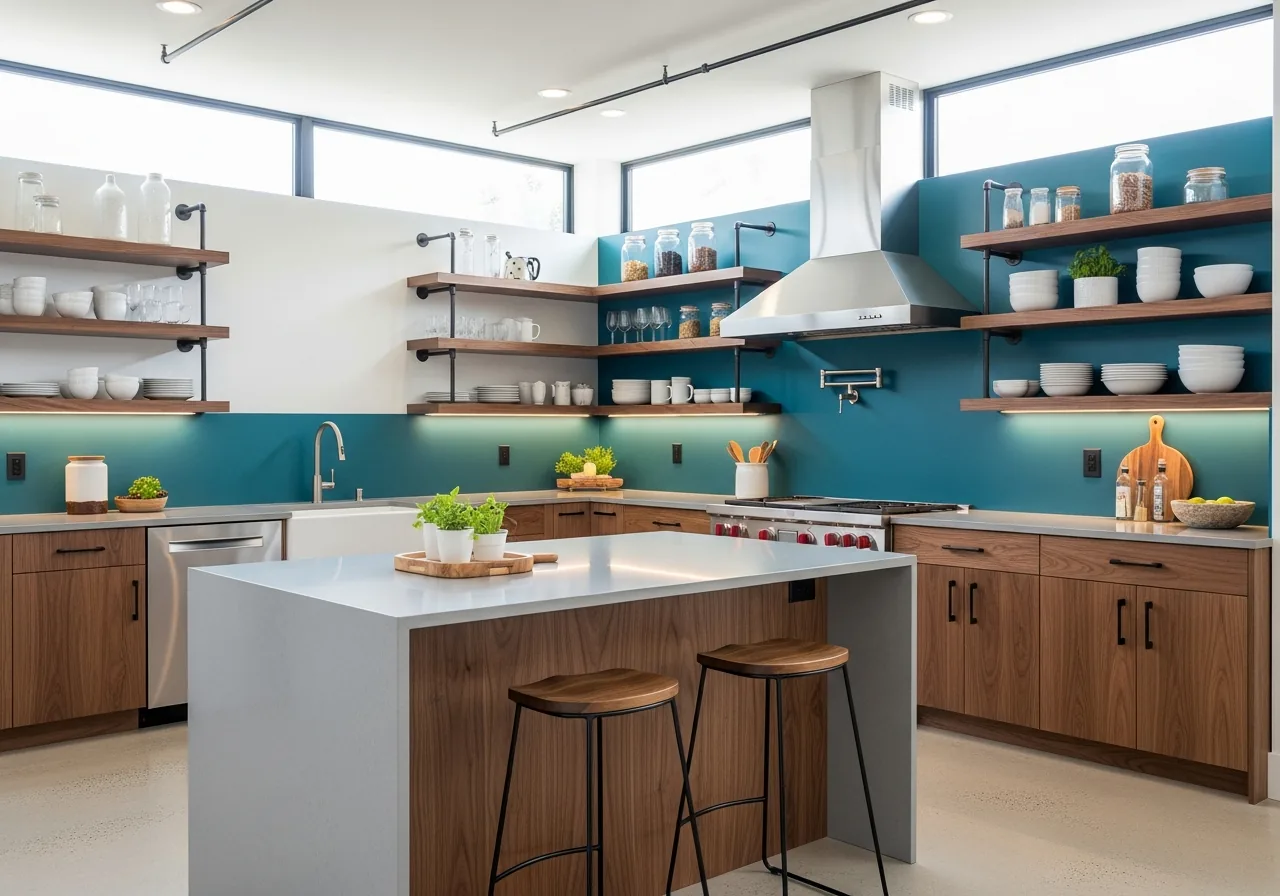
I once worked with a client who insisted on a Thermador range cooker even though she hardly ever cooked. She just liked the look. That is fine. Personalisation means you get what you want, not what someone else thinks you should have. But I have also seen clients who spend hours on the detail of soft-close drawers and concept cabinetry because they know those are the things they will touch a hundred times a day.
The Showroom Experience in Glasgow
Visiting a kitchen showroom in Glasgow is different from browsing online. You can touch the materials. You can open every drawer. You can see how light falls on a herringbone worktop at different times of day. A good showroom will have full displays, not just samples on a board. You can stand in a kitchen that is set up the way yours could be. That changes your perspective.
An interior design consultation in the showroom is where the real work begins. You bring your floor plan, your wishlist, and your doubts. The designer asks questions you had not thought of. How tall are the people who use the kitchen most? Do you want a waste drawer under the sink or a pull-out recycling bin? Do you need a dedicated baking station? These details seem small, but they are the difference between a kitchen that works and one that frustrates.
Renovation Realities
A kitchen renovation is disruptive. There is no way around it. You lose your kitchen for weeks. You eat takeaways. You wash dishes in the bathroom sink. But the disruption is worth it if the result is a kitchen that genuinely improves your daily life. Personalised kitchen design reduces the risk of regret. You are less likely to finish the project and think, "I wish I had put the dishwasher here" or "Why did I choose this finish?"
One of the smartest things you can do is invest time in the planning phase. Push back on the timeline if you need to. Look at the 3D model from every angle. Ask to see the same layout in a different material. Change your mind. That is what the process is for.
Final Thoughts
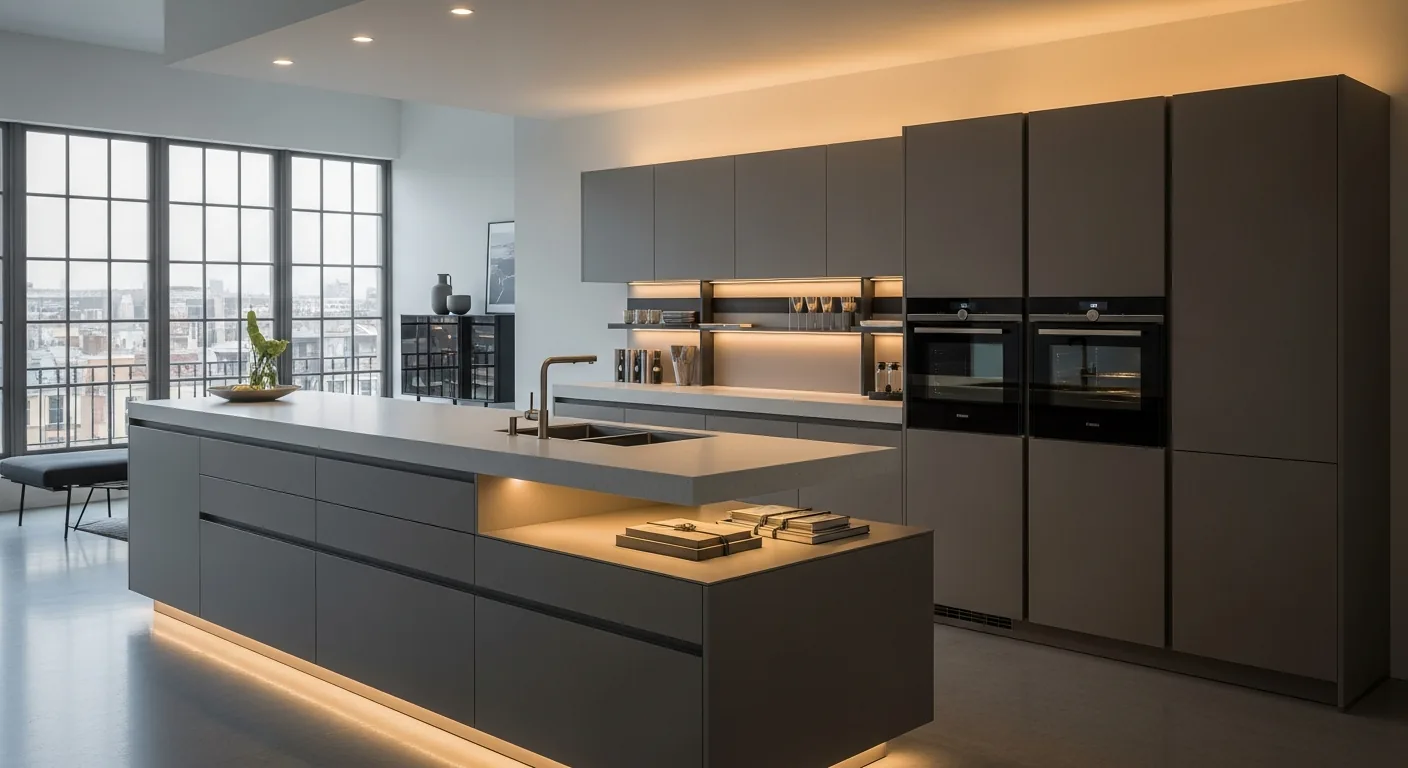
A kitchen is not a showpiece. It is a workspace, a meeting place, and sometimes a sanctuary. The best kitchens are not the most expensive. They are the ones that feel natural to move through. That feeling comes from personalised kitchen design. It comes from someone taking the time to understand how you live and translating that into cabinets, worktops, and appliances. It is a craft as much as a science.
If you are planning a kitchen renovation, give yourself permission to be particular. Ask for what you want. Change your mind. Visit the showroom twice. Bring a list of questions. The extra effort will pay off every morning when you walk into a room that was designed for you.